Wisdom Teeth Removal in Southwick, MA
What Are Wisdom Teeth?
Wisdom teeth are the third set of molars at the back of the mouth, one on each side of the top and bottom of both sides. They are the last teeth to erupt, usually when you are in your late teens or early twenties. Centuries ago, these teeth were crucial for grinding and chewing tough, fibrous foods. However, today’s diets are quite different, and the wisdom teeth are no longer needed. As a result, we have evolved with smaller mouths that often cannot accommodate the third molars.
Not sure if your wisdom teeth need attention?
Early evaluation leads to better outcomes. Call us at Hampden County Oral Surgery Office Phone Number 413-642-5250 to schedule a consultation with Dr. Sudol and get the answers you need.
When is Wisdom Tooth Removal Necessary?
There are common symptoms that indicate you may need wisdom teeth removal, including:
- Extreme pain in the back of the mouth, especially if over-the-counter pain relievers do not help.
- Swelling and tenderness at the back of the mouth.
- Swelling of the cheek and jaw.
- Chronic pain that radiates up to the ear or persistent sinus pain.
- Difficulty opening and closing your mouth.
- Teeth crowding or shifting.
- Pus or bleeding from the back of the mouth.
In many cases, a dentist is the first person to see an indication that wisdom teeth extraction is needed. They may see signs of potential problems when looking at X-rays, such as teeth that are trapped in the jawbone, seated horizontally, or impinging on the sinuses. In these situations, your dentist may advise wisdom teeth removal to prevent complications before they happen. Studies have shown that early evaluation and treatment result in a superior outcome for the patient.
What are Impacted Wisdom Teeth?
When the jaw is too small to accommodate one or more of the wisdom teeth, the result is impacted wisdom teeth. This indicates their inability to erupt into the proper position for chewing and cleaning. Although impacted wisdom teeth often cause pain, this is not always the case. Sometimes an impacted tooth is first noticed by your dentist during an oral exam.
Types Of Impactions
- Soft Tissue Impaction: Although the tooth has begun to erupt from the jawbone, there is not enough room for the gums to retract for proper cleaning of the tooth.
- Partial Bony Impaction: There is enough space to allow the wisdom tooth to erupt partially. However, the tooth cannot properly aid in chewing, and it isn’t easy to keep clean. Food debris and bacteria are easily trapped around the tooth, often leading to infection and cavities.
- Complete Bony Impaction: There is NO space for the tooth to erupt. It remains embedded in the jawbone or requires advanced surgical techniques for removal. The impacted wisdom tooth may also be in an unusual position and difficult to remove. The shape or size of the jawbone and other facial structures make the removal of this tooth significantly more complex.
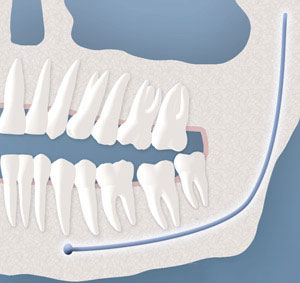 Soft Tissue
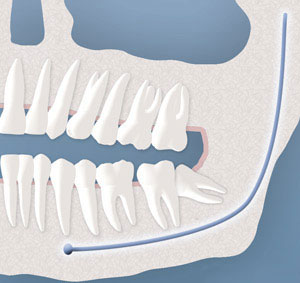 Partial Bony
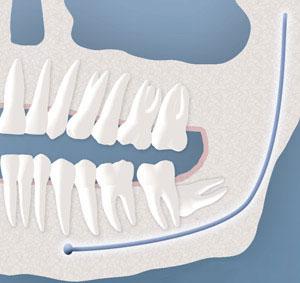 Complete Bony
Suspect you have an impacted wisdom tooth?
Don’t wait for pain or infection to develop. Call Dr. Sudol at Hampden County Oral Surgery Office Phone Number 413-642-5250 to schedule an evaluation and explore your treatment options.
Wisdom Tooth Removal Procedure
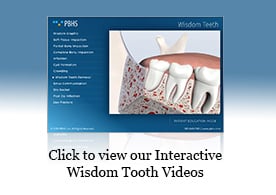
Wisdom Teeth Presentation
To provide you with a better understanding of wisdom teeth, we have provided the following multimedia presentation. Many common questions pertaining to wisdom teeth are discussed.
On the day of surgery, you’ll take medications to reduce pain and swelling. A parent or responsible adult must accompany you and stay with you afterward. The procedure takes approximately 30–60 minutes, and you’ll likely spend a total of 90 minutes at the office. Modern techniques promote faster healing and reduce discomfort. We follow strict sterilization and infection control practices at all times.
You must have nothing to eat or drink (except prescribed medications with a sip of water) for at least 8 hours before your surgery. Avoid trying to eat a “last meal” right at the cutoff time, as anesthesia is safer on an empty stomach. Your surgery will be rescheduled if this guideline isn’t followed.
We may give you a prescription for pain medication on the day of your surgery. If you’re sedated, an IV will be placed in your left arm or hand (a quick and nearly painless procedure). Local anesthesia is also used to keep you comfortable during and after the procedure. You’ll likely be drowsy for most of the day.
If stitches are needed, they typically dissolve on their own within 3 to 5 days. You will need to return to the office to check your healing 7-10 days post-operatively. It’s normal to feel gum swelling or tightness for a few days. Before the numbness wears off, try taking ibuprofen (Advil) first for pain relief. If this isn’t effective, take your prescribed medication as directed. Start your diet with clear liquids (like broths or Jell-O), then slowly return to regular foods as tolerated.
Avoid dairy products, such as milkshakes, yogurt, or ice cream, on the day of surgery, as they may cause nausea. If you’re prescribed antibiotics and take birth control, be aware that the pills may be less effective, and use an additional form of protection.
If you are concerned about your or your child’s wisdom teeth or have an impacted wisdom tooth, please contact our office at Hampden County Oral Surgery Office Phone Number 413-642-5250 to schedule a consultation with Dr. Sudol to determine if you need your wisdom teeth extracted.